
Who this is for
- Healthcare facilities directors building out or renovating clinical space
- Medical and dental practice owners doing a suite fit-out
- Developers and property managers with medical office buildings to lease
- General contractors on healthcare tenant improvements
Medical and healthcare drywall asks for things a standard office buildout never touches, and in Stamford the work concentrates around Stamford Hospital on the West Side and through the medical offices up High Ridge and Long Ridge Road. The drywall scope has to satisfy infection control during construction, radiation shielding at imaging rooms, cleanable moisture-resistant surfaces in clinical areas, and acoustic privacy in exam and consult rooms. It is exacting work, and the requirements drive every decision from the board selection to the sequence.
Infection control during construction
Any construction in or adjacent to occupied clinical space runs under an infection-control risk assessment. In practice that means we build sealed containment around the work area, run negative-air pressure where the plan requires it, and control dust and worker traffic so nothing migrates into patient areas. The containment is not an afterthought, it is part of the scope, and it stays intact from the first day to the final cleaning. A medical GC expects a sub who treats the containment plan as seriously as the wall itself.
Lead-lined assemblies for imaging
X-ray, imaging, and some procedure rooms need radiation shielding, and that is built into the wall with lead-lined gypsum board. The shielding only works if it is continuous, so the detailing at the joints, the electrical boxes, and every penetration has to be lead-backed to the physicist’s specification for the room. We coordinate the shielding spec before we frame, because the layout and the blocking have to support it, and a single unshielded seam or outlet box defeats the whole assembly.
Board and finish for a clinical environment
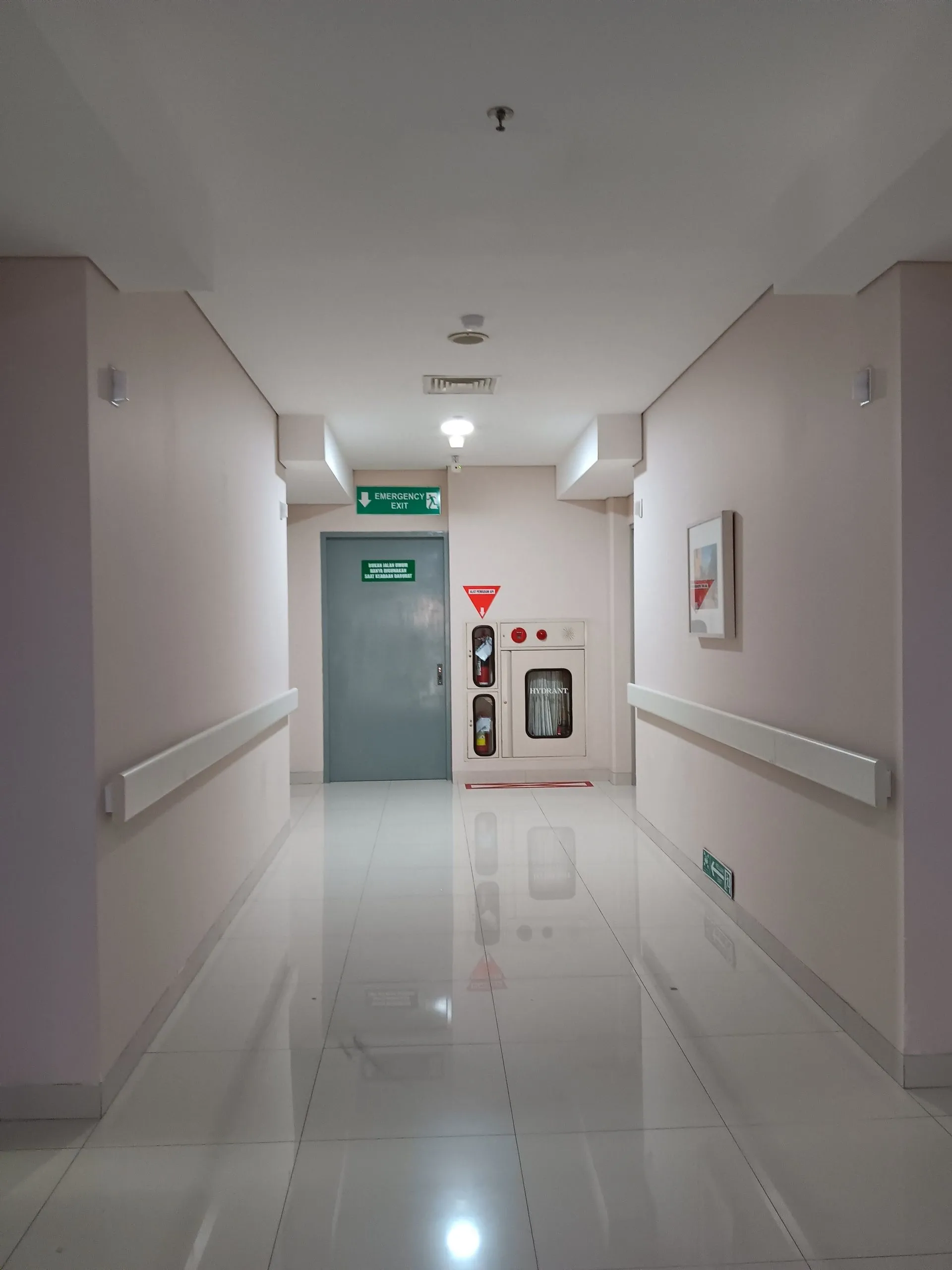
Clinical and wet areas get mold and moisture-resistant board so the surface stands up to repeated cleaning and humidity, while corridors and high-traffic clinical spaces get abuse or impact-resistant board to survive carts and gurneys. The finish has to be smooth and consistent enough to clean to a medical standard, which usually means a careful Level 4 or a Level 5 where the surface and the lighting call for it. The board selection follows the room’s use, not a single spec across the suite.
Acoustic privacy
Patient privacy is a real requirement, not a nicety, so exam rooms, consult rooms, and treatment rooms get acoustic separation. We build it with resilient channel or acoustic panels, carry the partitions full height to the deck, and seal the penetrations that otherwise leak sound. We confirm room by room from the drawings which spaces need the acoustic assembly, since it changes the partition build and the cost of the wall.
Materials & standards
Products & materials we use
- Lead-lined gypsum board for imaging and X-ray rooms
- USG Sheetrock Mold Tough and PURPLE for moisture and mold resistance
- Abuse-resistant and impact-rated board for corridors and high-traffic areas
- QuietRock acoustic panels for exam and consult rooms
Standards & codes we work to
- ICRA infection-control risk assessment during construction
- AWCI commercial drywall standards
- GA-216 finish levels for cleanable surfaces
- IBC Institutional and Business occupancy
- UL design numbers for rated assemblies
What the terms mean
- ICRA containment and negative-air containment
- Lead-lined assembly and radiation shielding
- Mold and moisture-resistant board
- Abuse-resistant wall surface
- STC rating and acoustic separation
The work this involves
The techniques that go into a project like this:
Frequently asked questions
Do you work to infection-control requirements in occupied medical buildings? +
Yes. Construction in or near occupied clinical space follows an infection-control risk assessment, which means sealed containment around the work area, negative-air pressure where required, and controlled dust and traffic so nothing migrates into patient areas. We set up the containment the ICRA plan specifies and keep it intact through the job, because in a medical building the containment is as much a part of the work as the wall.
Can you build lead-lined walls for X-ray and imaging rooms? +
Yes. Imaging and X-ray rooms need radiation shielding, which is built with lead-lined gypsum board and lead-backed detailing at the joints, outlets, and penetrations so the shielding is continuous. We install to the physicist's shielding specification for the room, because a gap at a seam or a box defeats the shielding. We coordinate the spec before framing so the layout supports it.
What board do you use in clinical wet areas and high-traffic corridors? +
Clinical and wet areas get mold and moisture-resistant board so the surface holds up to cleaning and humidity, and corridors and high-traffic clinical spaces get abuse or impact-resistant board so carts and gurneys do not destroy the walls. The finish has to be smooth enough to clean to the standard a medical environment expects, which usually means a careful Level 4 or Level 5 depending on the surface.
Do exam and consult rooms get sound separation? +
Yes. Patient privacy means exam, consult, and treatment rooms need acoustic separation, which we build with resilient channel or acoustic panels, full-height partitions to the deck, and proper sealing at penetrations. We confirm which rooms need it from the drawings, since it changes the partition assembly.