Stamford Drywall logo Stamford Drywall

Drywall Services in Stamford, CT

Residential and commercial drywall — each entry links to a full breakdown of cost, process, and what to expect.

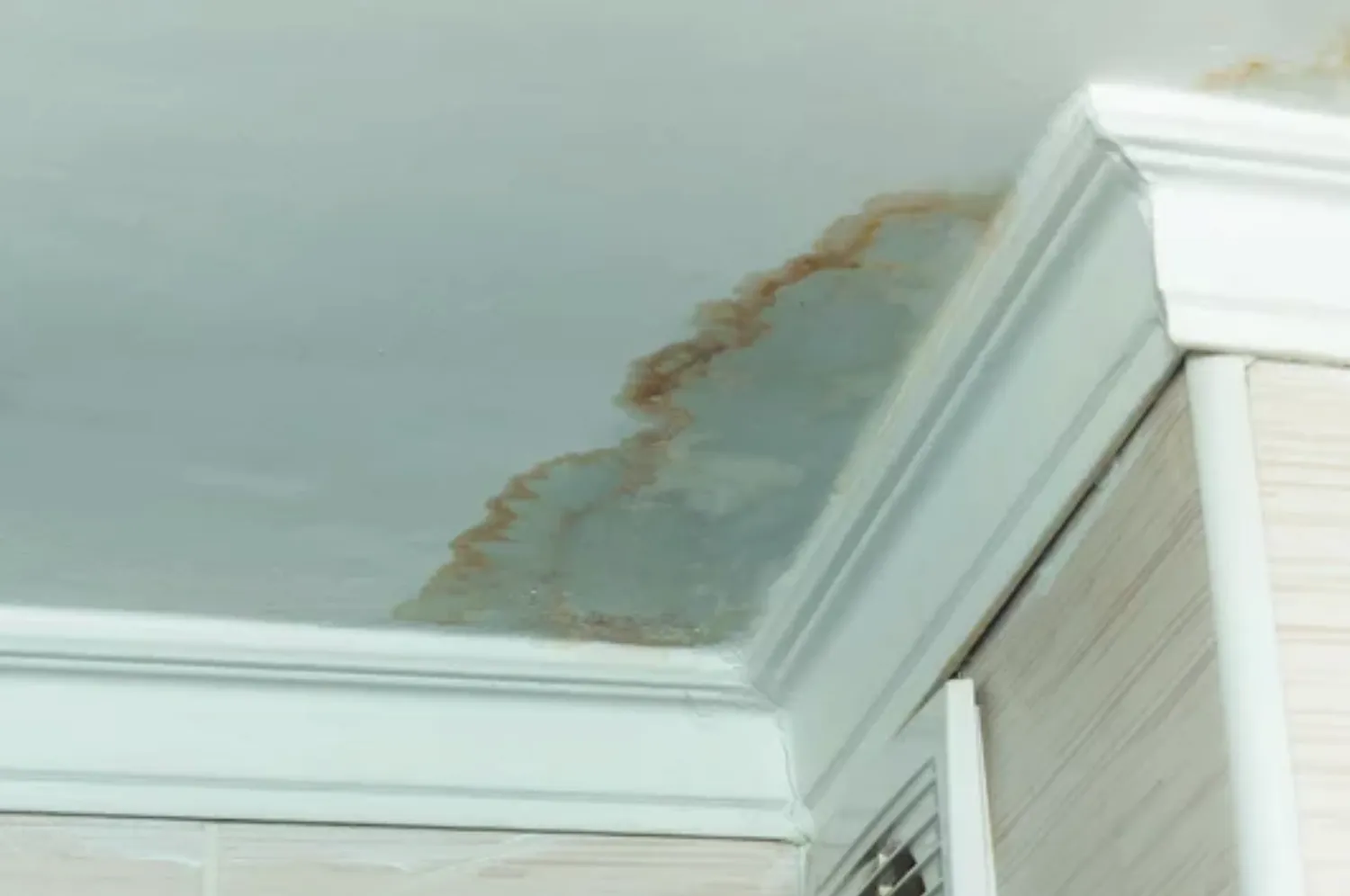
Water-damaged ceiling

Water Damage Drywall Repair

Ceiling bubbling, soft spots, or brown staining after a leak means the paper face of the drywall has absorbed moisture and the board needs to come out — not just dry out. Drywall that gets wet and dries in place still has a compromised paper face that won't hold paint correctly, and the cavity side is often moldy by the time the surface looks dry. The visible stain is rarely the outer boundary of the moisture zone.

Stamford's water damage calls follow recognizable patterns: burst pipe calls from North Stamford colonials in January and February, storm surge and coastal flooding in Shippan and the South End, and condo unit-to-unit leaks in Downtown and Harbor Point that require building management coordination and HOA documentation alongside the repair. We work alongside insurance adjusters on claims of any size and are familiar with the documentation format Connecticut carriers require. What the repair costs depends on how far the moisture traveled, whether framing needs treatment, and what board type and finish the situation calls for.

What it costs & what to expect
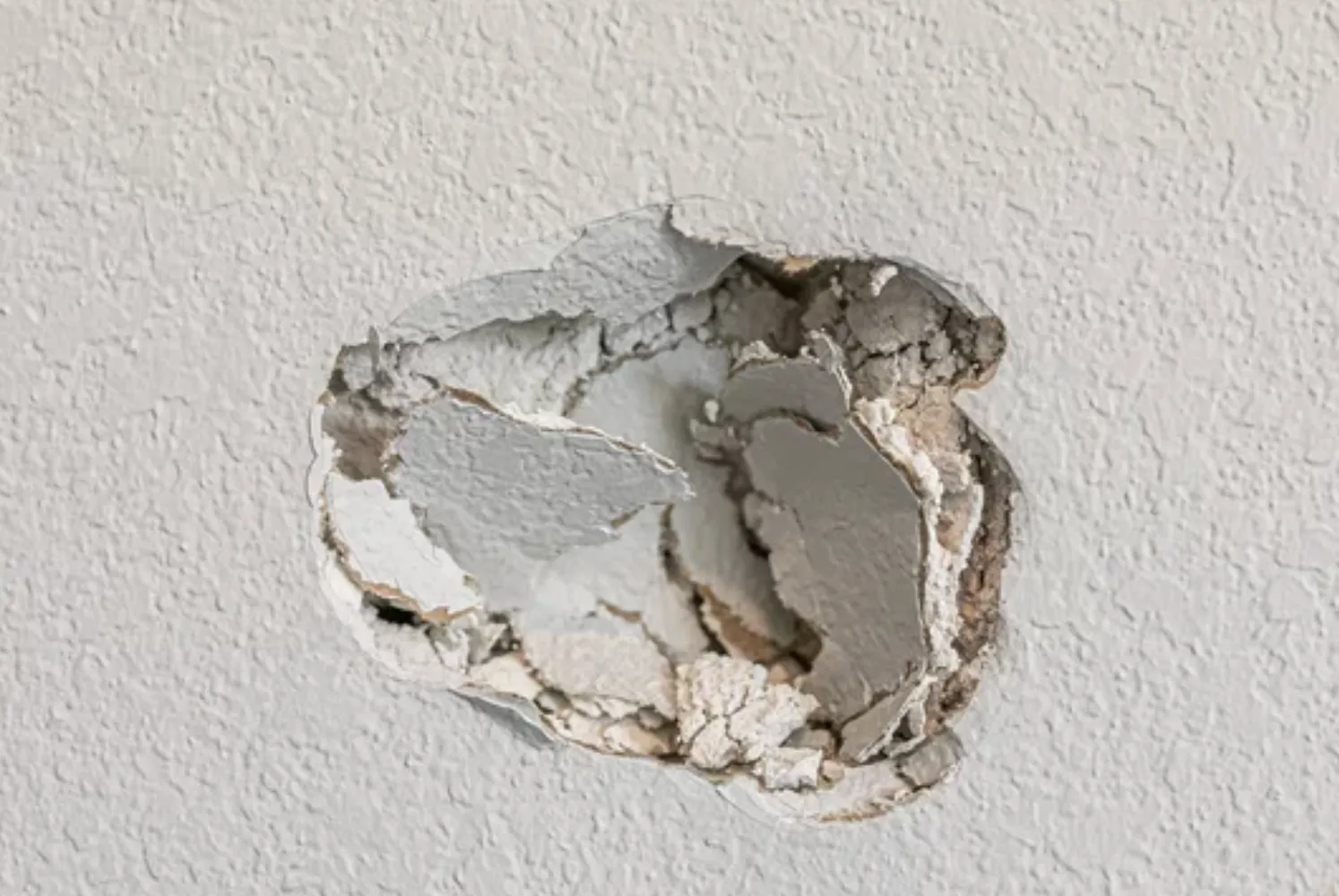
Hole in a wall

Drywall Repair & Patching

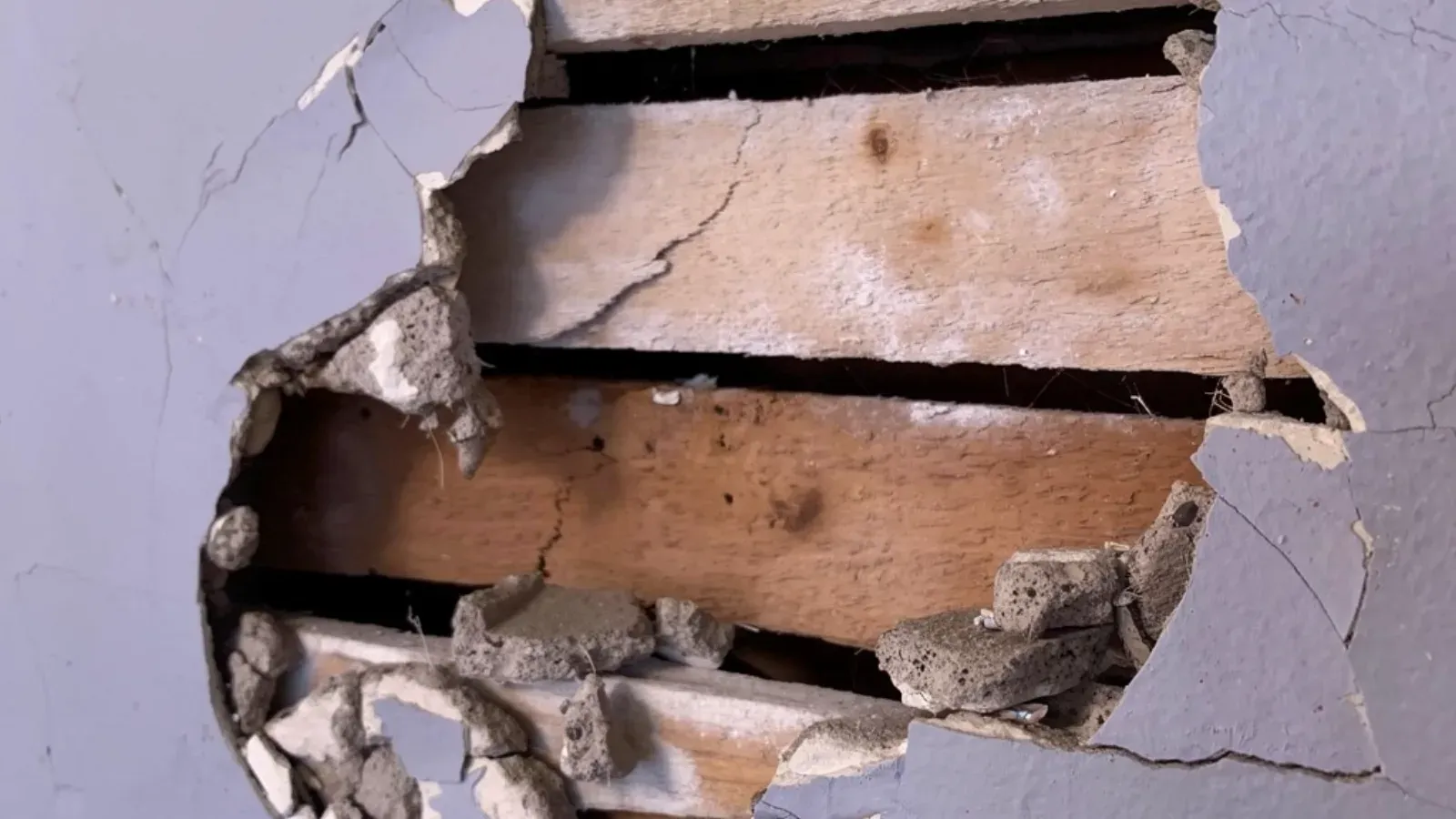
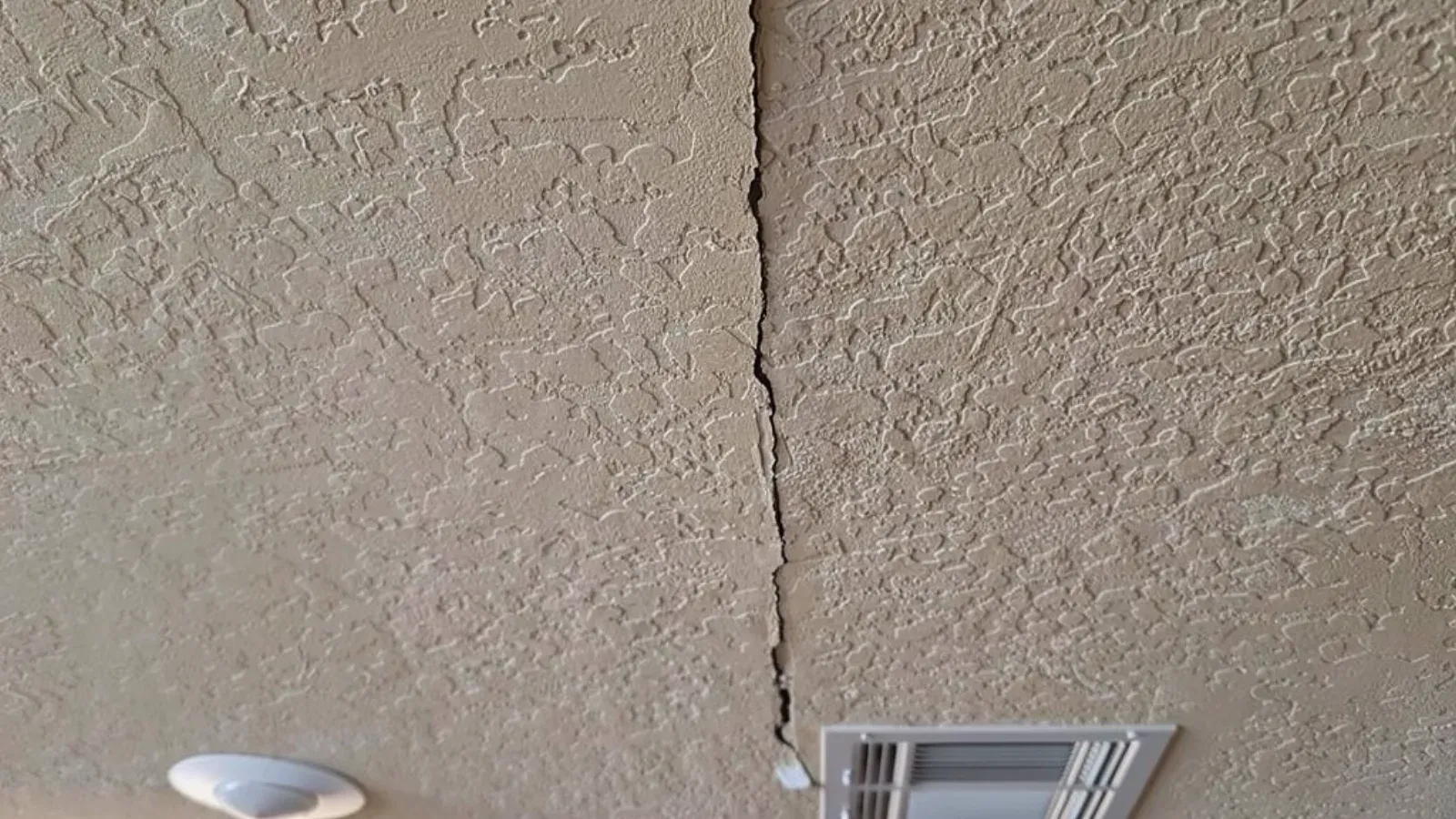
Holes, cracks, nail pops, and failed tape joints are the most common drywall call we get in Stamford and Greenwich — and the one where the difference between a contractor who's done it a hundred times and one who hasn't is clearest after the paint goes on. A patch that reads as a raised oval under raking light is a mudding failure: one thick coat instead of three thin ones, or compound not feathered far enough beyond the damage edge. The repair looks fine the day it's done and reveals itself the first time afternoon light hits the wall at an angle.

In Stamford's older housing stock — Glenbrook, Springdale, parts of the South End — we regularly encounter original plaster over metal lath rather than drywall, which requires a different compound and technique at the joint. For pre-listing repairs in Greenwich, Darien, and New Canaan, we work to the standard the Gold Coast real estate market demands: invisible after paint, no raking-light tells, handed off primed and ready for the photographer. What a repair costs depends on the number of patches, whether walls are smooth or textured, and whether the substrate is drywall or plaster.

Cost, variants & process
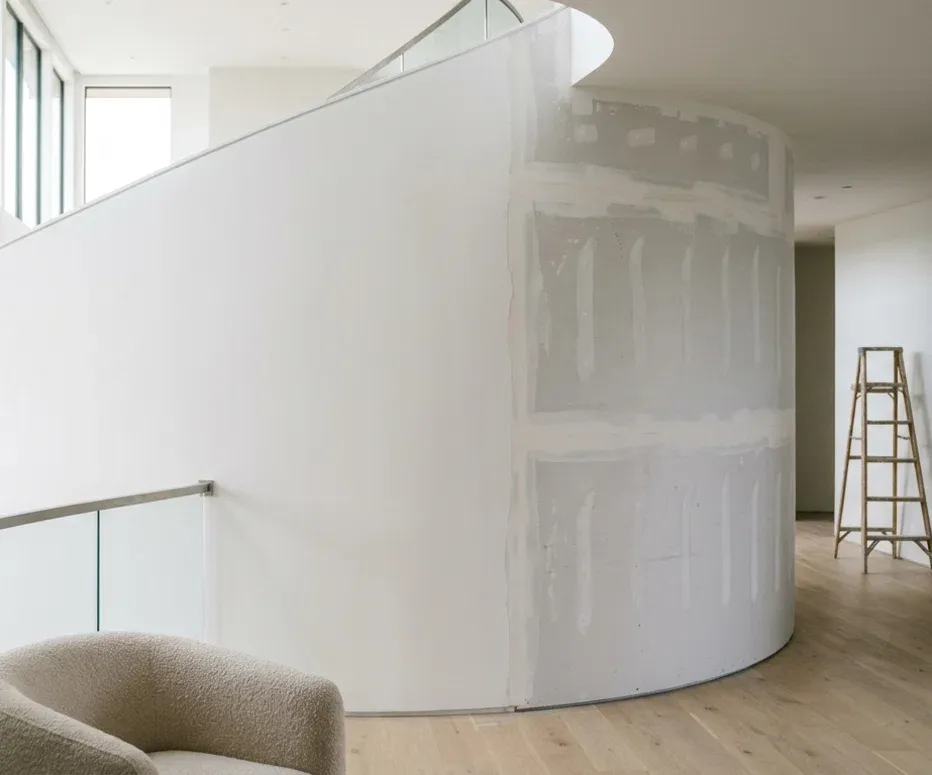
Level 5 finish across a curved wall

Skim Coating & Level 5 Finish

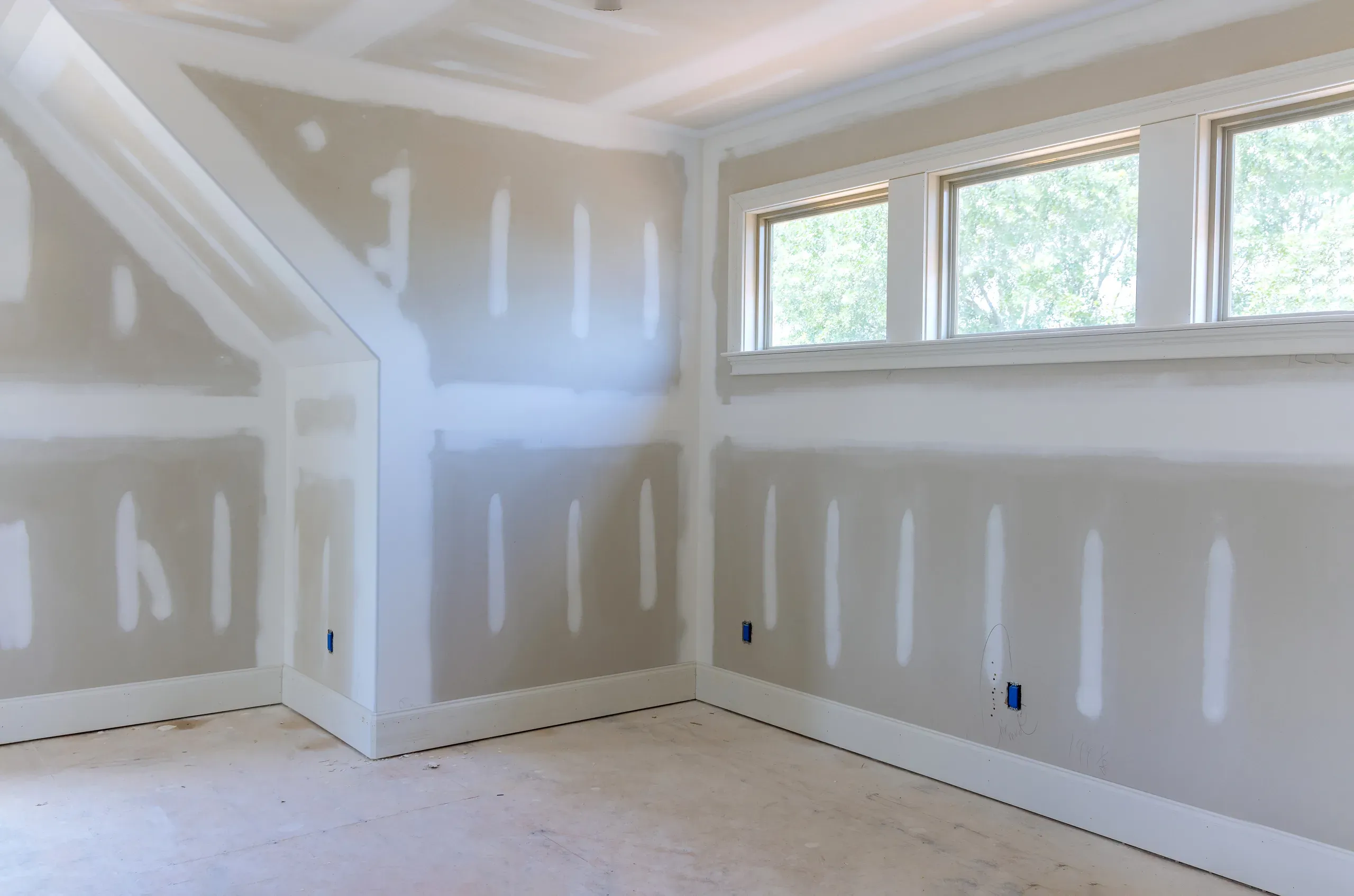
Wallpaper removal damages the drywall paper face — the adhesive pulls it off along with the wallpaper, leaving torn, raw gypsum areas that can't receive paint directly. In Stamford, Greenwich, and Darien homes from the 1970s and 1980s, wallpaper in bedrooms, dining rooms, and foyers is extremely common, and the removal aftermath is almost always the same: a surface that looks rough and patchy, with areas where the gypsum core is exposed. A Level 5 skim coat is the correct repair — not patching the damaged spots, but coating the full surface so there are no transitions that read through paint.

In North Stamford, Greenwich, and Darien, Level 5 finish is increasingly the baseline spec on renovation and new construction — architects and designers working at this price point routinely call it out because the paint specifications (flat paint in rooms with large windows, high-sheen finishes in kitchens and baths) demand a surface with no visible variation. In Glenbrook and Springdale, we also work with original 1950s–60s plaster: plaster that's still bonded can sometimes be skim coated directly; plaster separating from lath is a conversion to new drywall first. What the job actually costs depends on surface condition, number of coats required, and whether we're doing walls, ceilings, or both.

Cost & what to expect
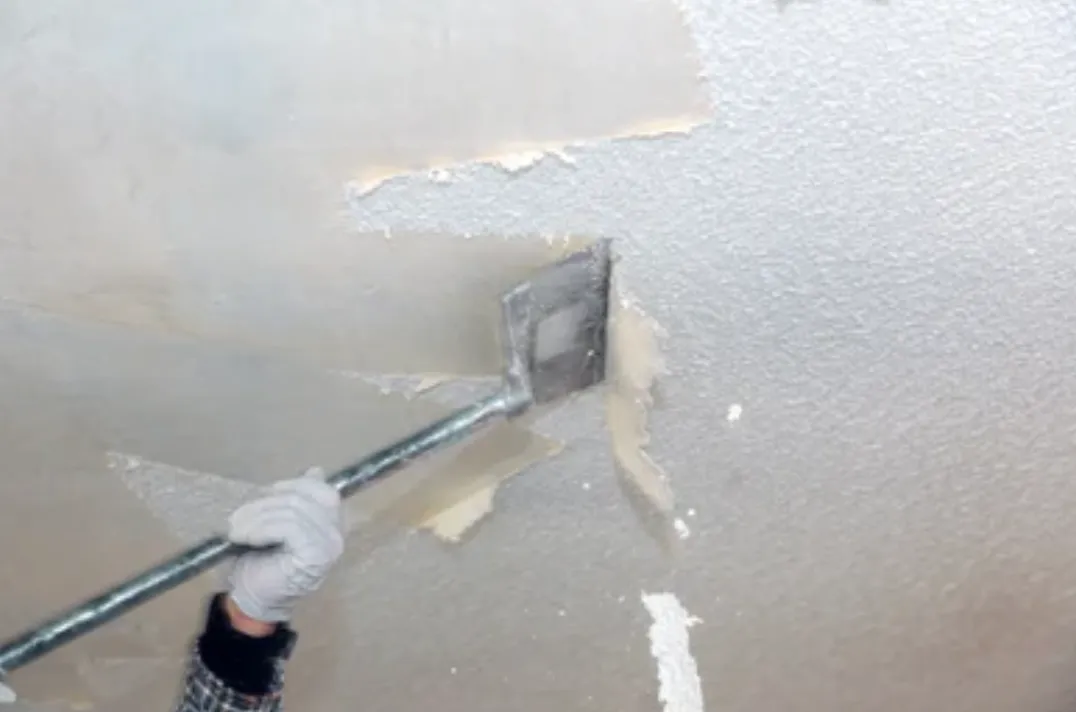
Popcorn ceiling texture being scraped off

Popcorn Ceiling Removal

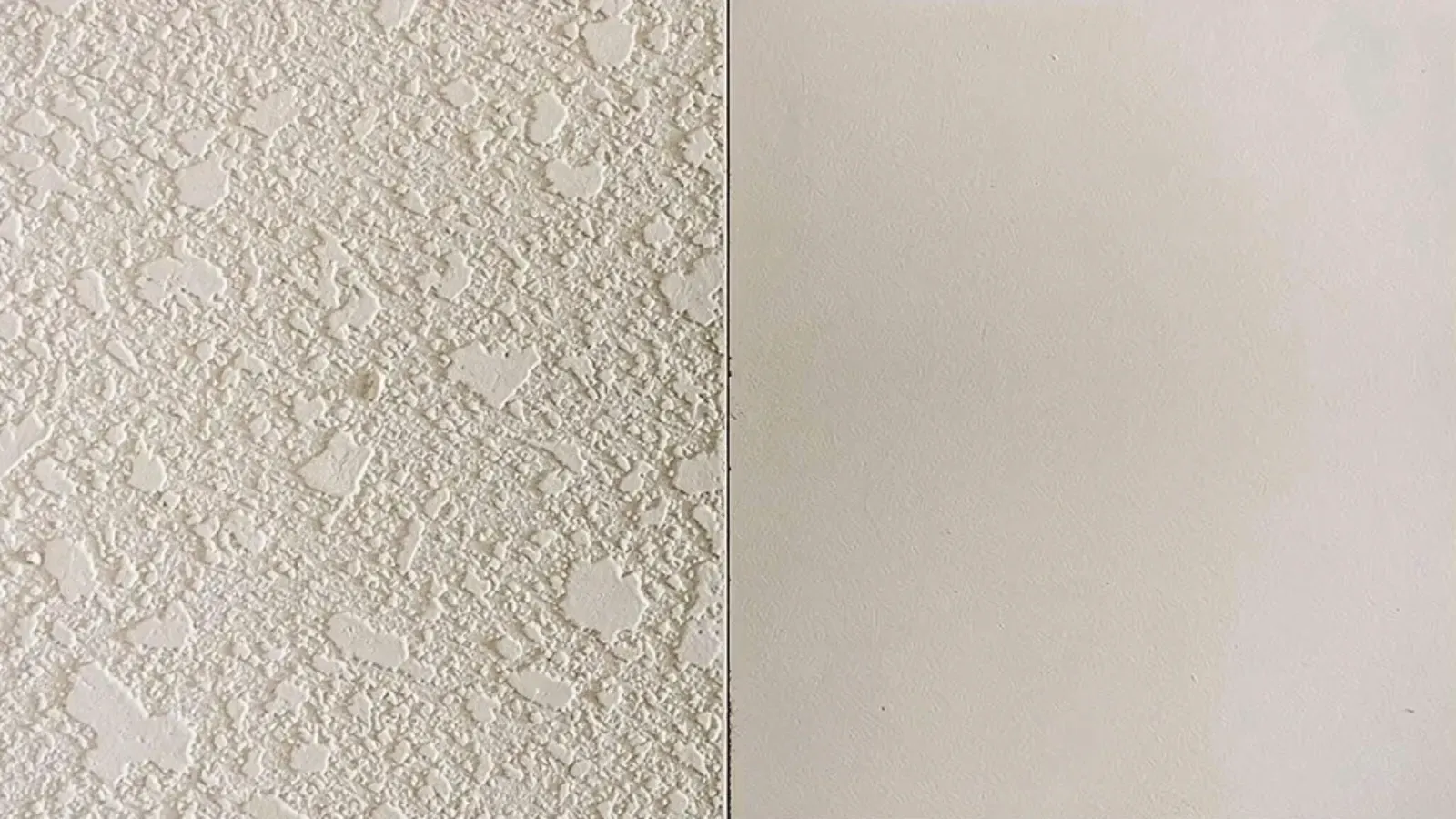
Acoustic spray ceilings — popcorn, cottage cheese, any original spray texture — were standard in Connecticut residential construction from the late 1950s through the early 1990s. Removing them is one of the most common pre-listing projects in Fairfield County. In the Greenwich, Darien, and New Canaan market, textured ceilings cost sellers — agents cite them specifically as a cosmetic liability above $750K, and buyers at those price points expect smooth ceilings as table stakes.

In Connecticut, any home built before 1979 may have asbestos-containing material (ACM) in its ceiling texture. Federal NESHAP regulations and CT DEEP rules require testing before any disturbance. We collect a small core sample and submit it to a CT-certified laboratory — results typically come back in two to three business days. If the test is negative, we proceed with wet-scraping removal. If it comes back positive, we coordinate with a CT DEEP-licensed asbestos abatement contractor before we return to resurface. An undocumented ACM removal is a material disclosure issue in Connecticut real estate transactions.

Once the texture is off, we skim coat the entire ceiling to a Level 5 finish — sanded under raking light and primed before handoff. What the project costs depends on ceiling square footage, whether asbestos testing is required, what the test finds, and the condition of the drywall beneath the texture.

Cost, testing & process
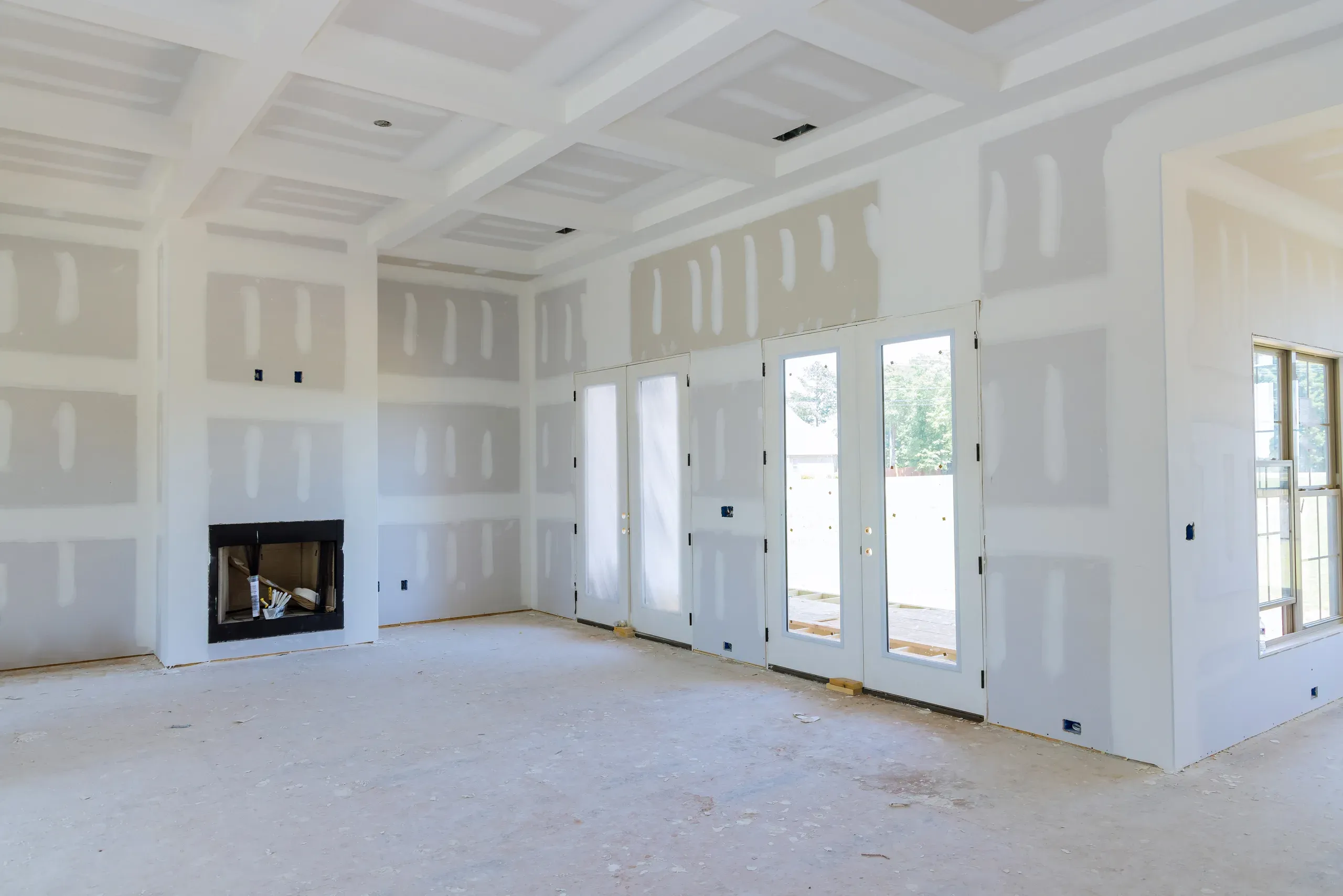
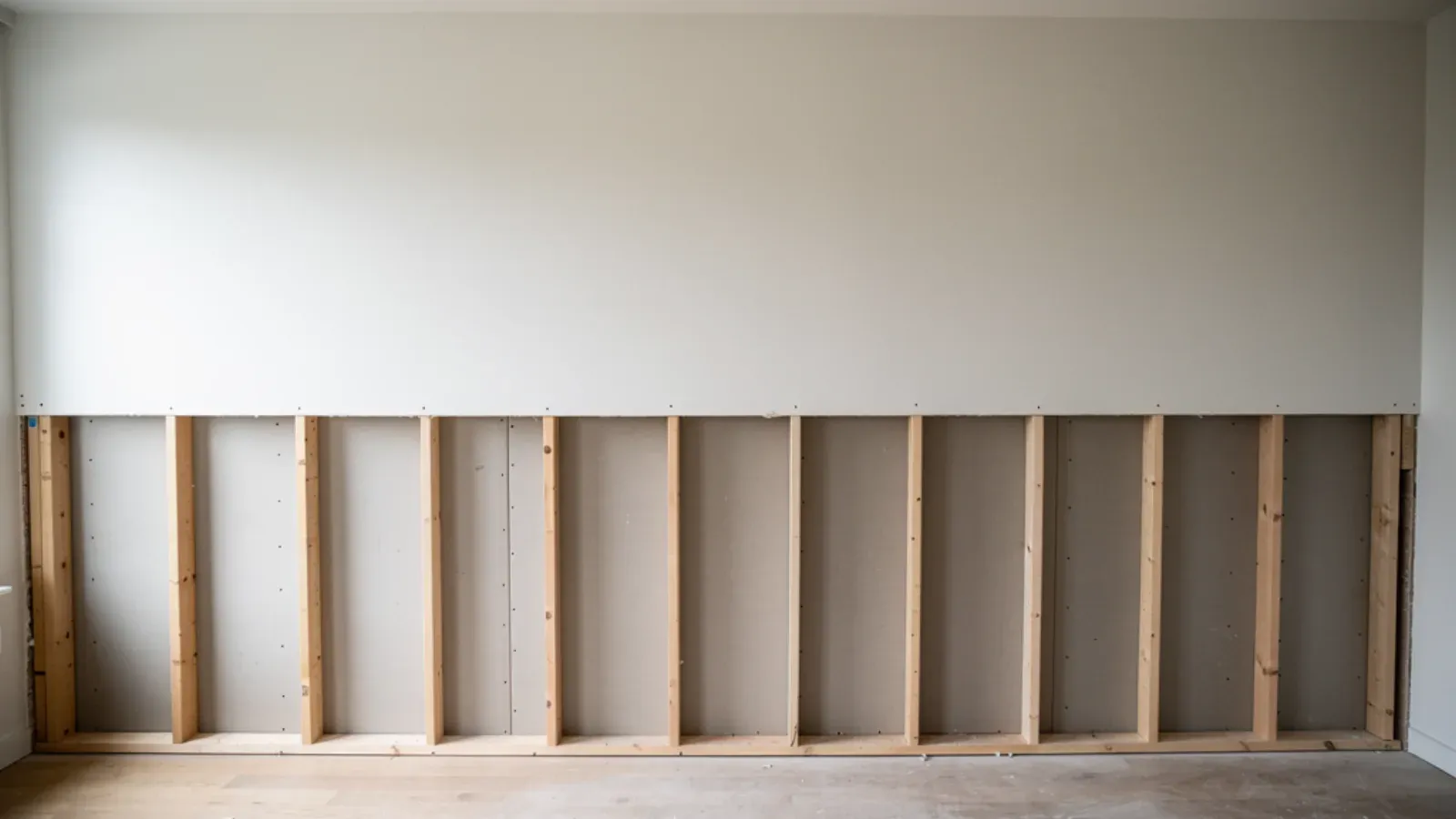
Open basement ready for drywall

Basement Drywall Finishing

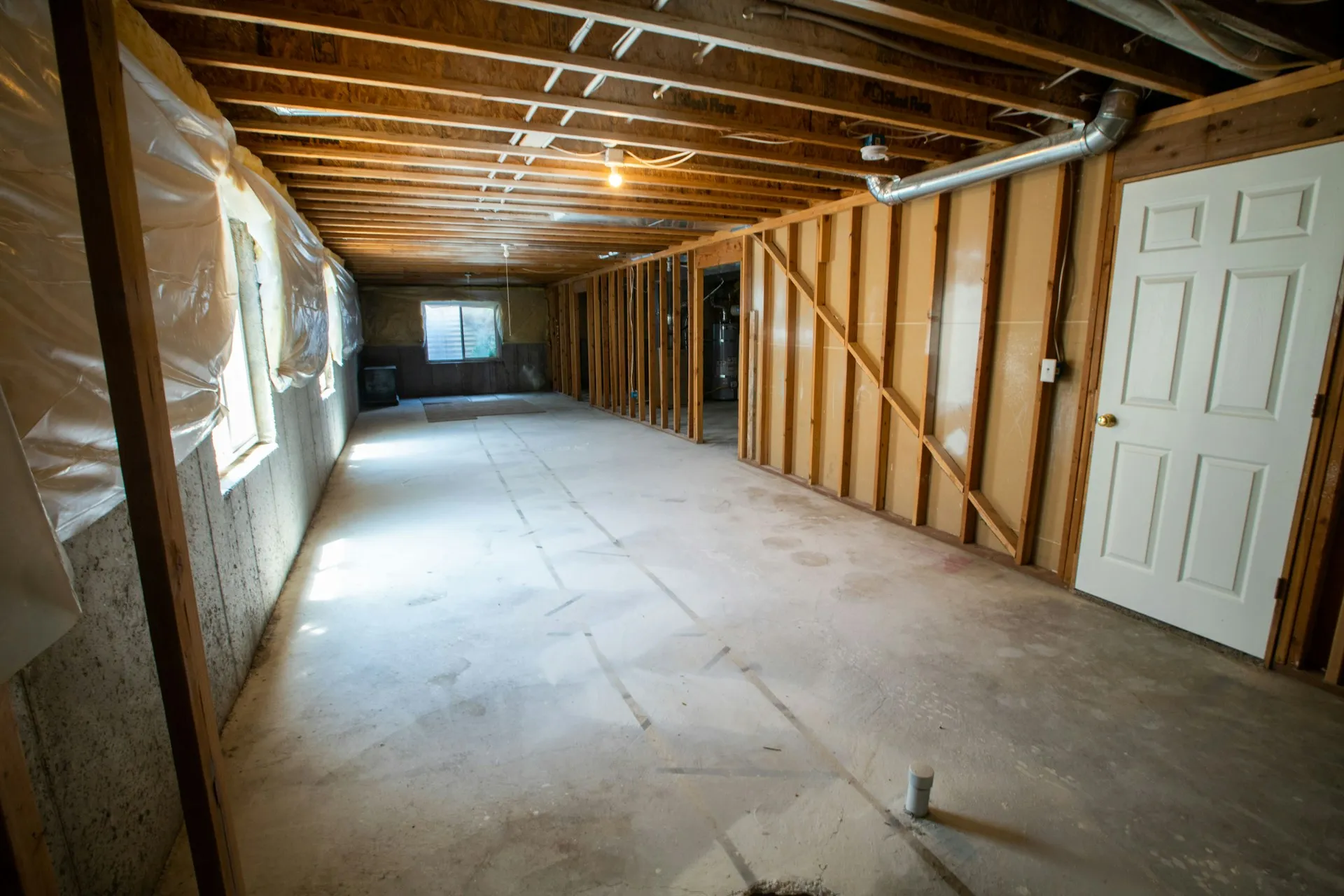
Finishing a Stamford basement isn't just a drywall job — it's a sequenced project that runs through the Stamford Building Department's inspection process before board can go up. Connecticut requires a building permit to convert unfinished basement space to finished living area. Framing, electrical rough-in, and HVAC rough-in inspections all have to be signed off and on record before the drywall phase starts. We coordinate directly with the Building Department on the sub-permit and the drywall inspection — the homeowner or GC doesn't have to manage that step.

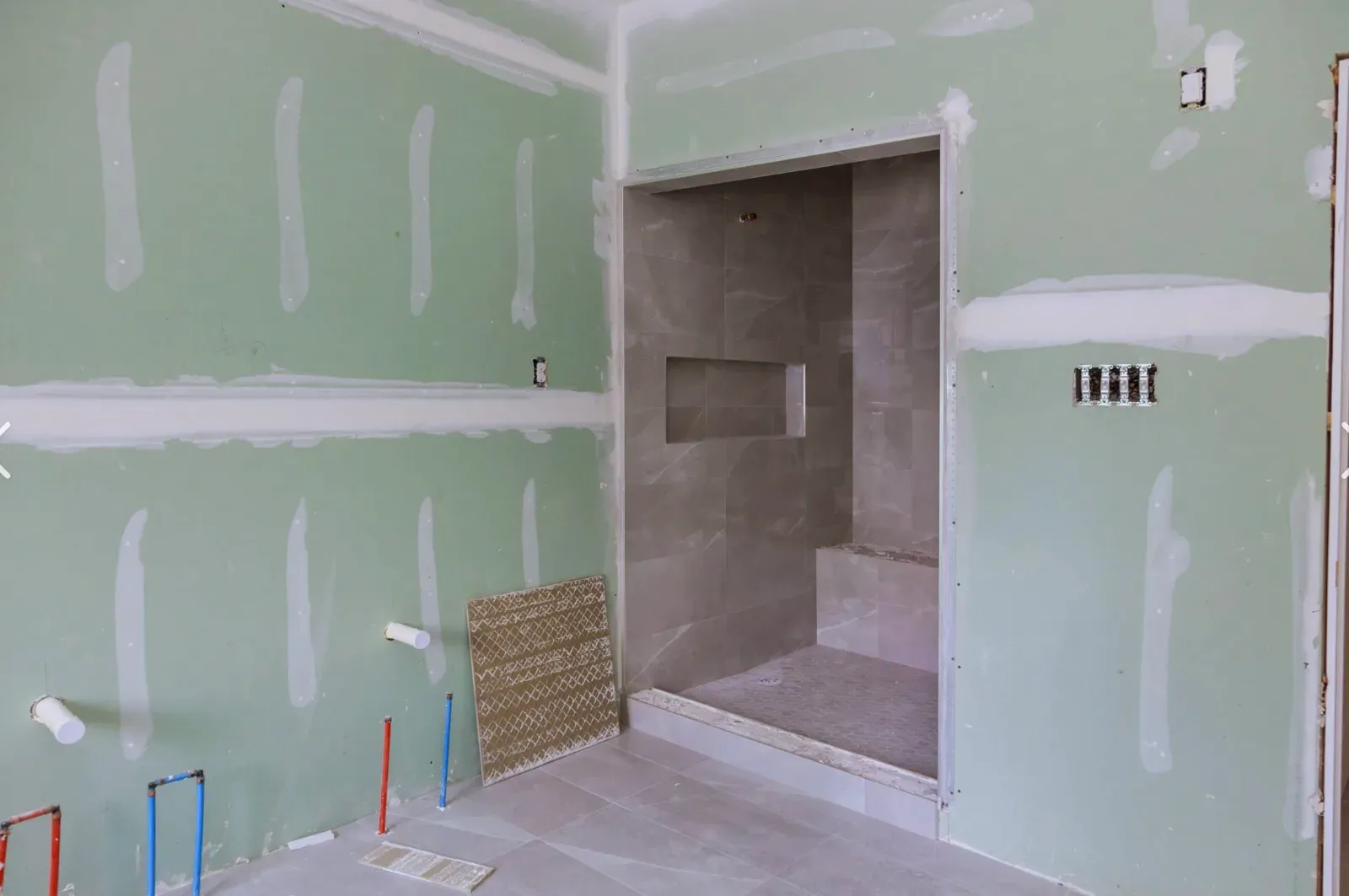
Board selection is where most basement drywall jobs go wrong. Standard drywall absorbs moisture vapor that migrates through the wall assembly even in a basement that appears completely dry, and the paper face begins to delaminate and mold within a few years. We install moisture-resistant board on all below-grade wall sections as standard practice, not an upsell, and a Type X assembly on any garage common wall. North Stamford colonials in the 06903 and 06907 ZIP codes tend to be large-footprint basements earmarked for home offices, media rooms, and in-law suites; Glenbrook and Springdale ranches are more standard-height full-footprint basements. What your project costs depends on total square footage, ceiling height, whether a garage common wall is in scope, and what finish level each room requires.

Cost & what to expect
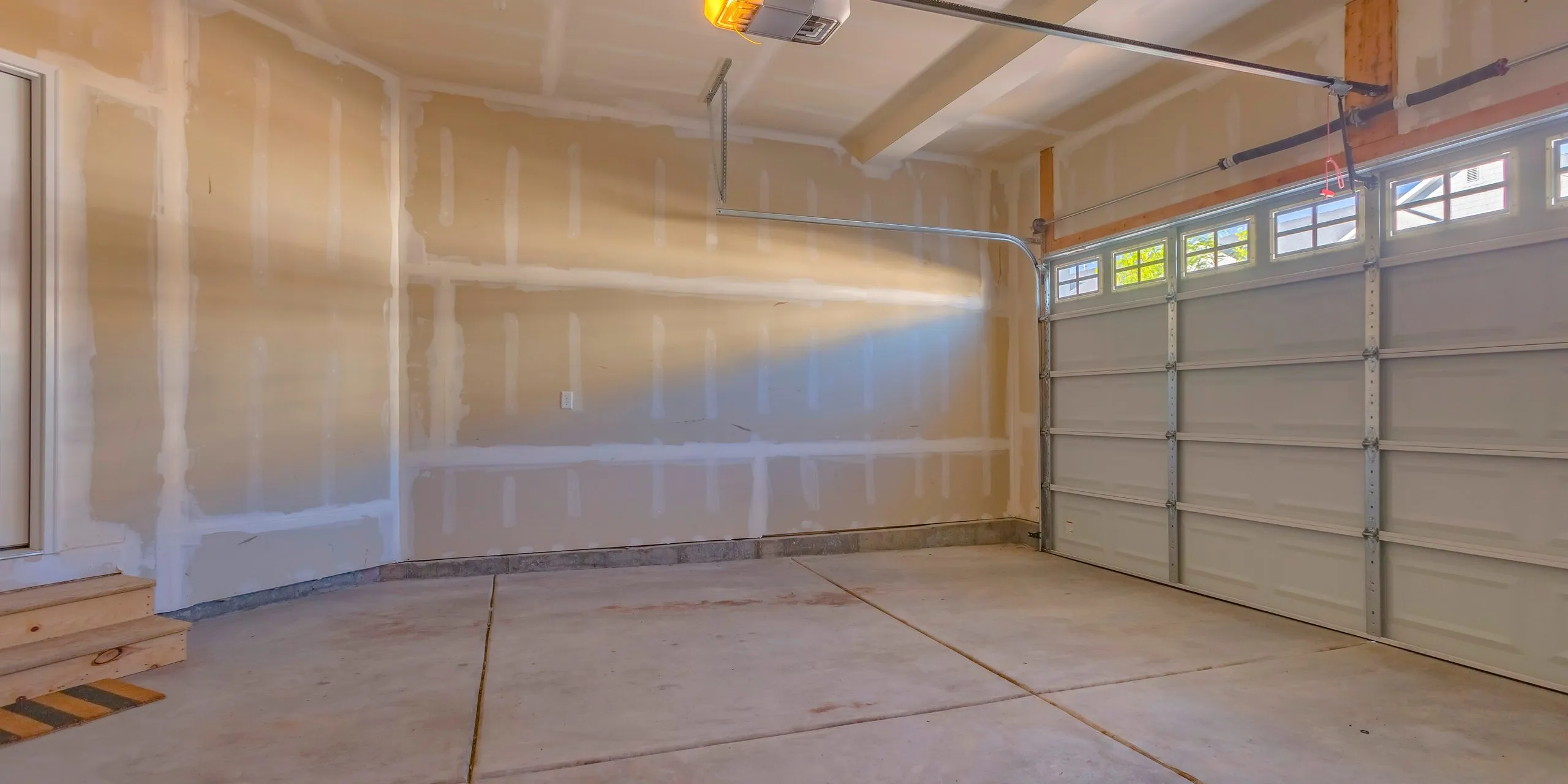
Fire-rated drywall assembly in garage

Fire-Rated Drywall Assembly

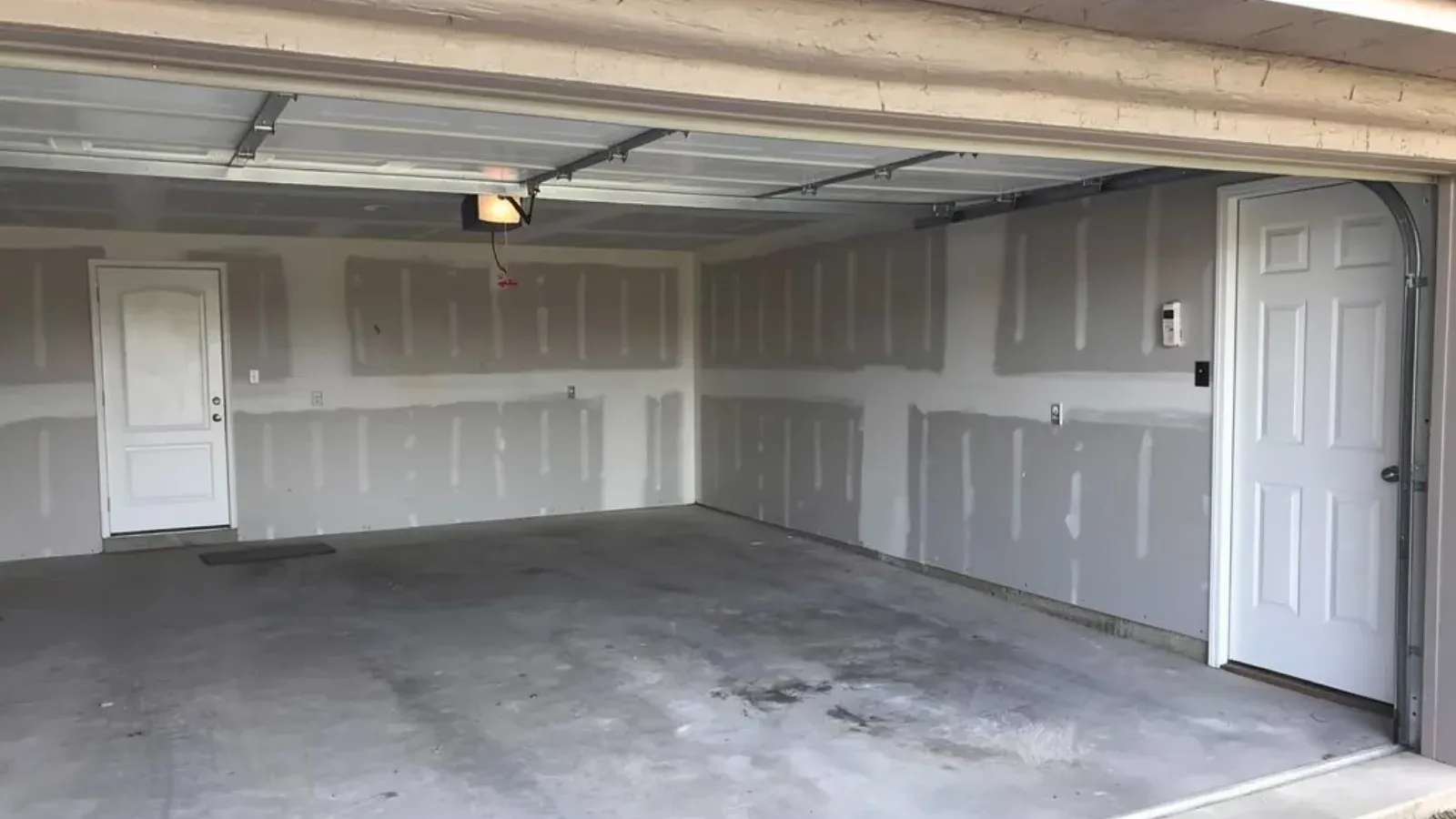
Fire-rated drywall assembly means something specific: a UL-listed design number that specifies the exact board type (Type X or Type C), stud gauge, fastener size and spacing, and joint treatment required to achieve a tested fire resistance rating. It's not a board type — it's a system. Deviating from any element of the design number voids the rating, even if the wall looks right. The AHJ inspector at Stamford's Building Department will ask for the design number; "we used Type X" is not a sufficient answer.

For commercial TI work — demising walls, corridor separations, stairwell enclosures — we install to the UL listing, coordinate the AHJ inspection, and produce the CO documentation package. The residential version is primarily a point-of-sale issue in Fairfield County: buyers' attorneys in Greenwich, Darien, and Stamford transactions routinely flag attached garage drywall at closing — missing, wrong board type, or 1/2" where 5/8" Type X is required. These surface 3–6 weeks before closing, and the fix is always tearout and correct reinstall. Adding a layer on top of non-rated drywall does not produce a compliant assembly. What the job costs depends on whether it's commercial or residential, the UL design number's complexity, whether tearout is required, and the linear footage of rated wall in scope.

Cost & what to expect
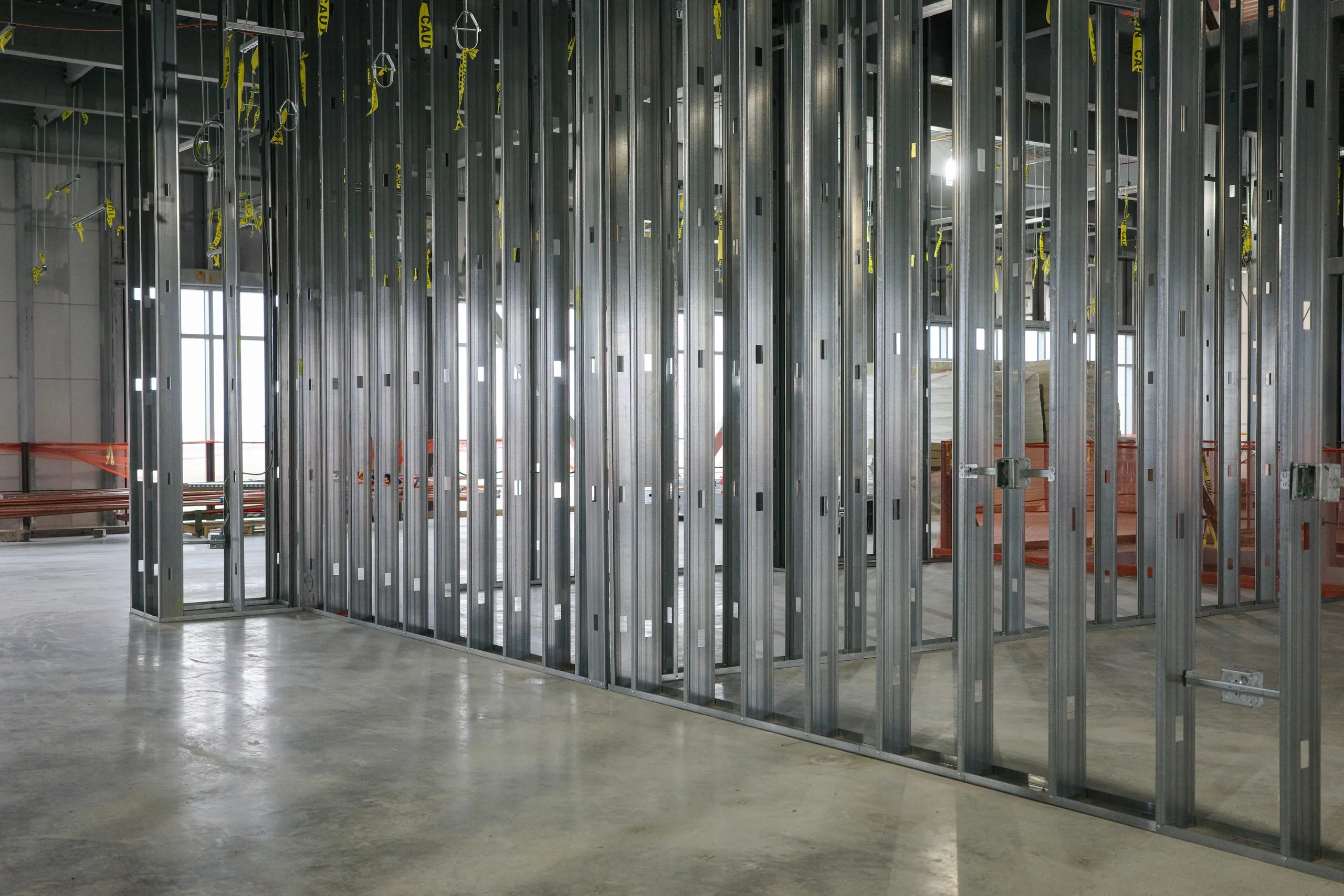
Light-gauge steel-stud partition framing erected in a commercial interior, studs and track in place before the drywall is hung

Commercial Steel-Stud Framing

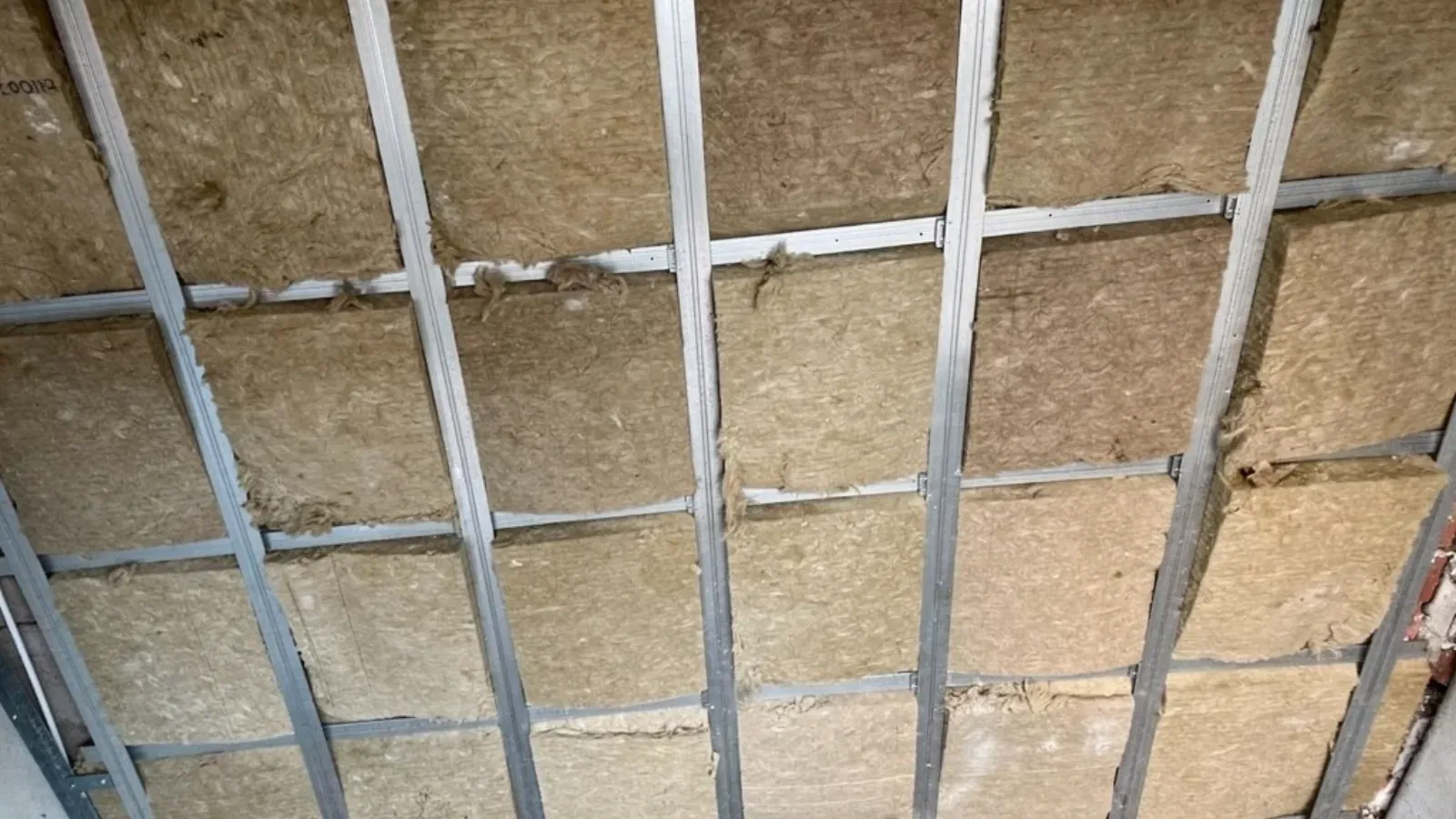
Steel-stud framing is the skeleton of every commercial buildout, and it is where a lot of finish problems are actually born. A wall framed in the wrong gauge, spaced too wide, or detailed without deflection at the deck will wave, crack, and telegraph every seam no matter how good the taping is. The framing decisions are driven by the wall: a standard floor-to-ceiling office partition runs 25-gauge stud, while a taller wall, a wall carrying lateral load, or a wall supporting overhead elements moves to 20-gauge or heavier.

Across Fairfield County's commercial stock the range is wide, from downtown Stamford office partitions to high-bay industrial walls near the water that run well past office height. We set blocking for cabinets, fixtures, grab bars, and wall-mounted screens before framing closes, confirm the gauge and height against the drawings, and detail the top track so the wall can move with the structure without cracking the finish.

What it involves

Get a fast, no-pressure quote

Call or send a few details — we serve Stamford and all of lower Fairfield County.

Call (475) 259-8175

Call Now